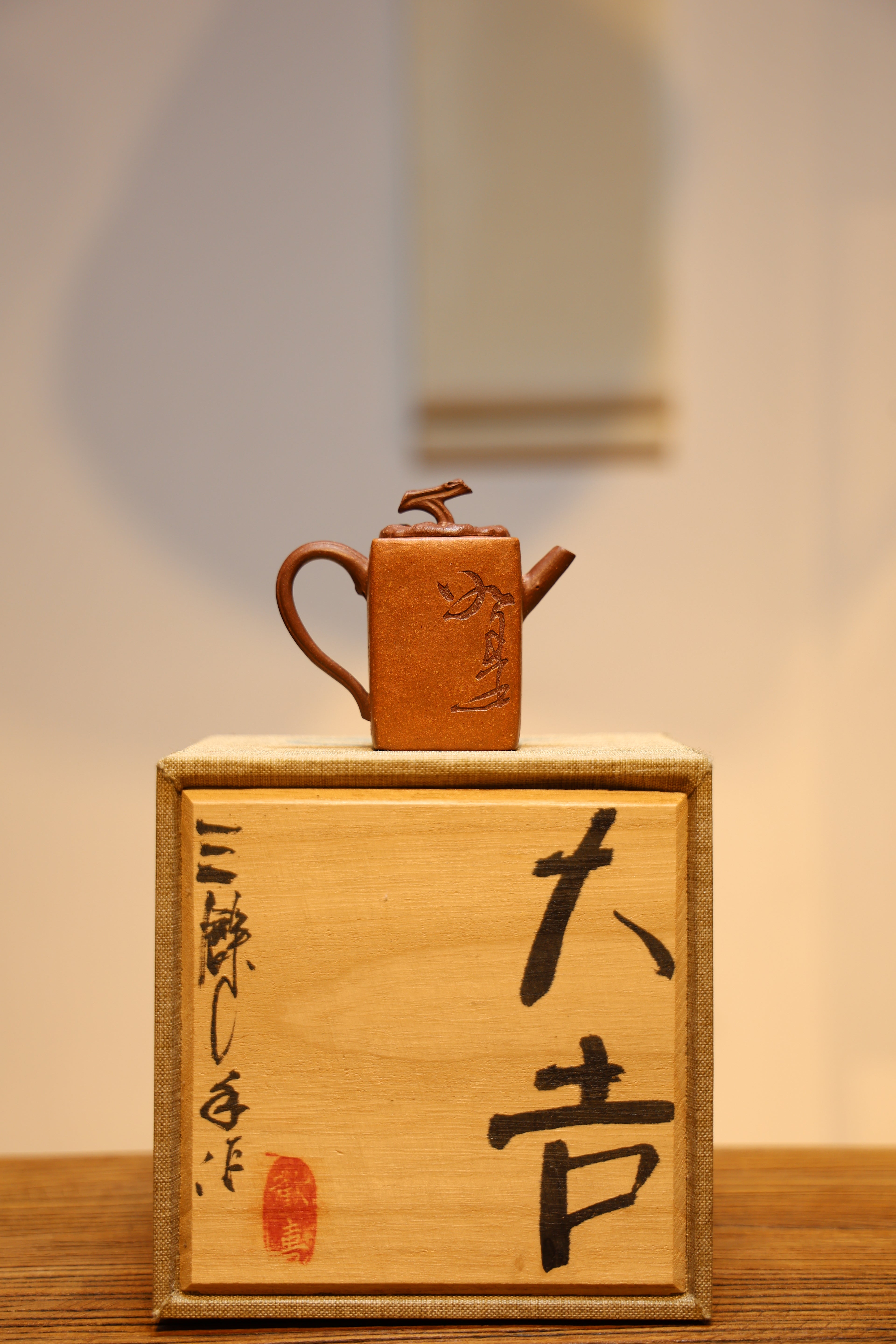
Kicking off my thorough inspection about Issing Tzu-sha ceramic vessels provides this engaging alloy involving mastery conjoined with efficiency.
Issing Zi-sha porcelain pots harbor special peerless enticement concerning devotees worldwide. Certain exceptional earthenware containers, sourced from the distinct Yihsing locale inside Jiangsu territory, China, stand as more than just brewing instruments; they function as works artistic beauty and historical significance. Distinct finely sorted clay, known designated as Zisha, imparts a refined flavor within the tea, and the elaborate designs, often revealing traditional Chinese themes, add to their essential value. Acquiring a genuine Yixing Zisha teapot provides a pleasing journey, involving careful research and an recognition of the numerous factors influencing their rarity.
Discovering Yixing Earthenware Pots
Ihsing tea vessels boast a vibrant heritage deeply interwoven with Chinese culture. Originating in Yixing, Jiangsu locality, these earthenware are crafted from a unique, porous purple clay found only in that special location. Their creation began during the Ming session, with master makers refining the methods over eras. Multiple types exist, including the classic Hexiang (resembling crab shells), Zhuni (red-brown hue), and Duan Ni (stone-studded) – each with distinctive aspects. The worth of an Yixing earthenware pot isn't solely based on its size or adornment, but Yixing Zisha Teapot also on the potter’s reputation, the substance's quality, and the vessel’s age and condition. Collectors often seek out older examples, believing they soak up the aroma of the tea brewed within them over time, further adding to their reputation.- Original Clay Pots
- Zhuni Earthen Pots
- Duan Ni Earthen Pots
Zisha Teapot Mastery: Artistry & Systems
This formation of Zisha teapots represents a pinnacle of Chinese ceramic mastery. Master artisans employ time-honored techniques, often passed down through heritage, to unlock the full character of this unique clay. Systems involve meticulous shaping by hand, often combined with the stacking method, followed by precise tempering at incredibly intense temperatures in wood-fired kilns. Beautifying is equally crucial; producers utilize intrinsic clay colors and may incorporate incising work to depict intricate scenes or patterns, demonstrating a profound understanding of the material’s characteristics and presence. The resulting teapot isn't merely a vessel for tea, but a testament to a significant cultural history.
Classical Vessels: This Outline to 宜兴 Tzu Sha
Probing the world of Chinese teapots sometimes commences with Yixing Zisha. These uncommon clay teapots are made from a singular type of clay harvested only in the Yixing region of Jiangsu province. Famous for its unique reddish-purple hue and exquisite attributes, Zisha clay injects a subtle flavor to the brew and improves with age, maturing into a cherished prized possession. Holding Yixing Zisha teapots is more than just owning a attractive object; it’s a appreciation of culture and technique.
Examining such Clay Pottery: Legitimacy & Enhancement
Investigating the sphere of Yixing Zisha containers can be absolutely fruitful, but entails a careful cognition. Validity is required; plentiful counterfeits are available, routinely craftily fabricated. Training about ancestral curing systems, defining earth qualities, and the signatures of reputable manufacturers is fully essential. Besides, comprehending the details of the value trend – influenced by conditions such as antique weight and the appearance of the piece – is fundamental to fruitful procurement.
- Investigating tempering lineage.
- Hiring authorities for substantiation.
- Judging sales dynamics.
That Discipline of Preparing with a Stoneware Pot
Such exclusive allure of a Zisha kit lies not just in its exquisite appearance, but also in its illustrious impact on the aroma of the beverage. These vintage clay earthen vessels, sourced from particular regions of China, possess a fundamental porosity that gradually interacts with the moisture and leaves, imbuing the infusion with a nuanced character. Mastering the craft requires a attentive approach, understanding how the substance responds to distinct heat levels and botanical types, ultimately leading to a genuinely rewarding imbibing ritual.
Sustaining One's Relic
Proper handling of your Yixing teapot is important to preserving its usefulness. These unique teapots, crafted from unique Yixing clay, exhibit a sheen over intervals that increases their prestige. Periodically rinse the inner area with clean water, avoiding soapsuds, and never use powerful scrubbing tools. Infrequent gentle wiping with a fine cloth can promote in eliminating discoloration. Allow your teapot to entirely dry in advance of each use
Revealing Ceramic: Why These Brewing Vessels Are Exceptional
The well-known appeal of Yixing teapots stems from the special properties of Terracotta clay, sourced solely near Yixing, that region. This noteworthy clay, designated as ferruginous earthenware , features a exceptional combination of compounds that, with age, take in the savor of the drinks it handles. This results in a individual essence for each earthen vessel, ensuring it a value far greater than its starting price and aiding to their admired status among experts.
Hunting for the Perfect Chinese Brewing Pot: A Purple Clay Handbook
Venturing into the world of Yixing clay teapots can feel intimidating, but understanding the foundations is necessary to obtaining a coveted piece. This category of clay, sourced essentially from the area around Yixing, the Jiangsu area, is well-regarded for its uncommon permeability and ability to augment the essence of the beverage over age. Reflect on the contour, the shade, and the appearance; a true Zisha teapot is more than just a container; it's a beautiful creation and a representation of Chinese culture. Look for the symbol of the creator for clues to its roots and potential cost.