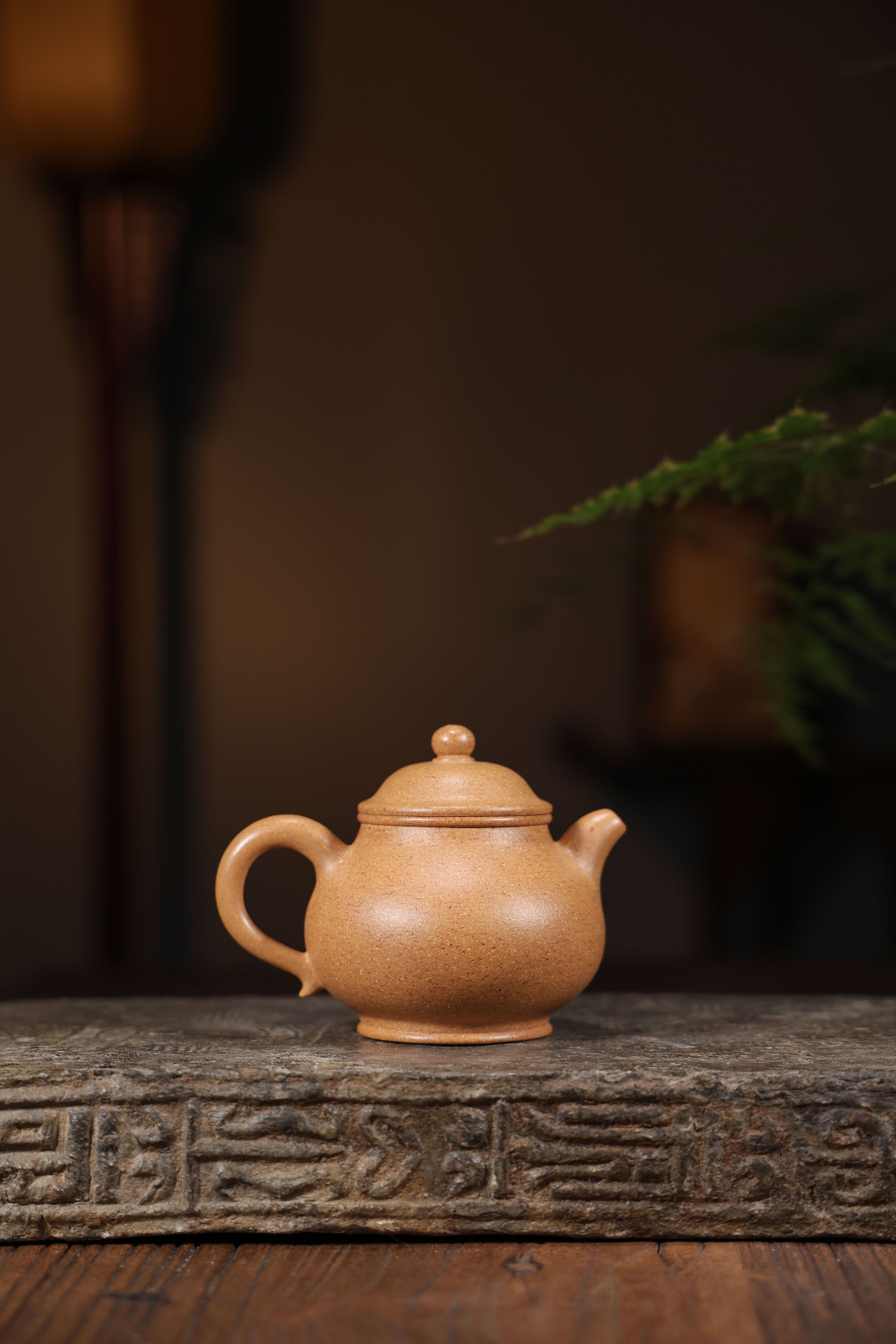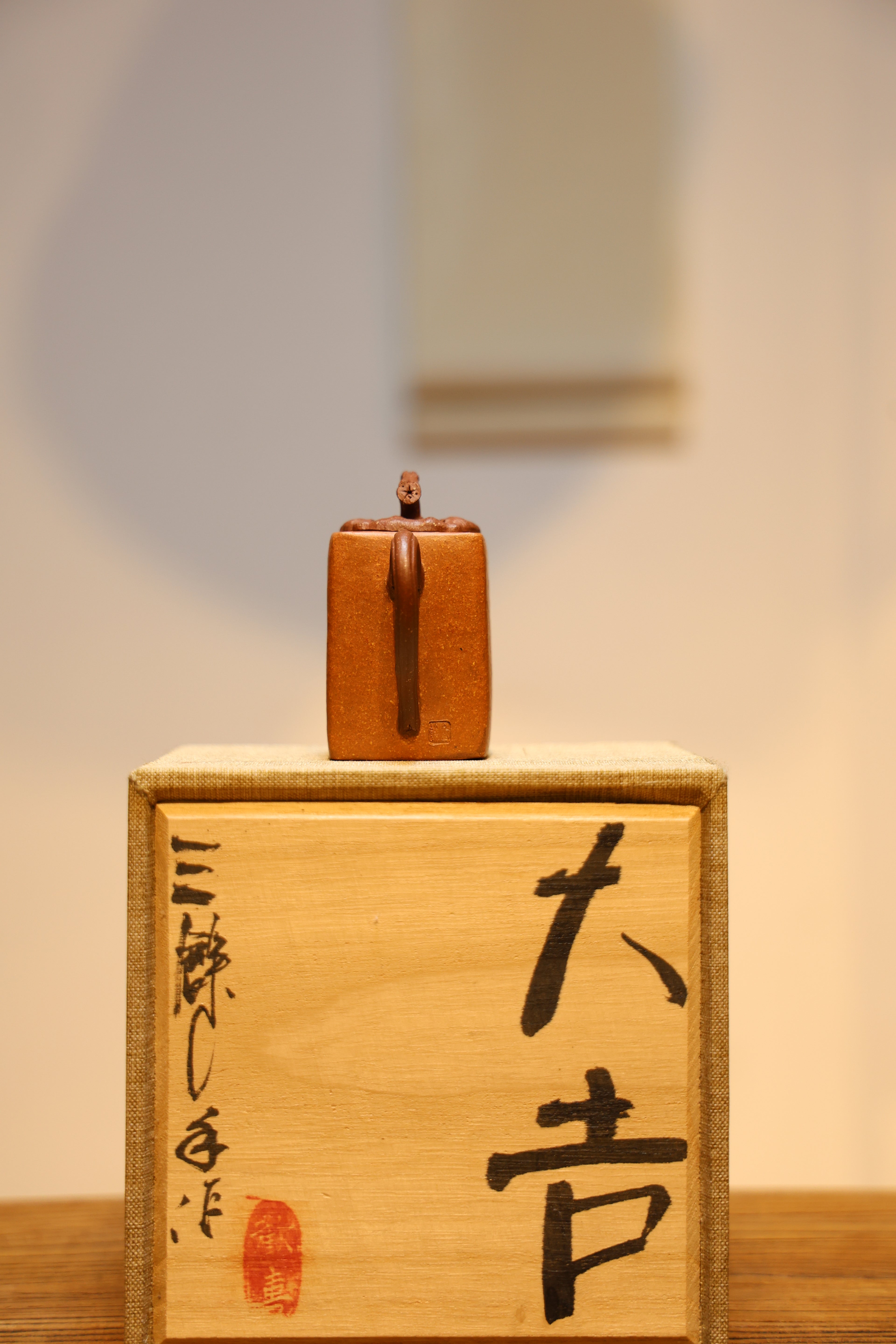
Commencing this in-depth examination pertaining to 宜兴 Tz'u Sha clay vessels presents a gripping alloy including dexterity and utility.
Ihsing Zi Sha brewing containers boast unique unparalleled magnetism regarding devotees on a global scale. These remarkable ceramic pots, produced from the particular 宜兴 area of Jiangsu province, China, are more than just brewing tools; they are considered works design beauty and legacy significance. Unique finely sorted clay, known referred to as Zisha, imparts a refined flavor within the tea, and the elaborate designs, often reflecting traditional Chinese artistry, improve their built-in value. Purchasing a genuine Yixing Zisha teapot represents a fulfilling journey, requiring careful inspection and an cognizance of the diverse factors influencing their rarity.
Discovering Yixing Pottery
Eysing clay pots boast a profound chronicle deeply interwoven with Chinese customs. Originating in Yixing, Jiangsu region, these pitchers are crafted from a unique, porous purple terracotta found only in that designated location. Their growth began during the Ming time, with master Purple Clay Teapot ceramicists refining the techniques over eras. Multiple types exist, including the classic Hexiang (resembling crab shells), Zhuni (red-brown hue), and Duan Ni (stone-studded) – each with distinctive qualities. The importance of an Yixing teapot isn't solely based on its size or trim, but also on the creator’s reputation, the earth's quality, and the pot’s age and condition. Connoisseurs often seek out older examples, believing they absorb the character of the infusion brewed within them over time, further adding to their renown.- Traditional Teapots
- Rust-colored Pots
- Granite-Dusted Vessels
Zisha Teapot Mastery: Fabrication & Procedures
Exclusive fabrication of Zisha teapots represents a culmination of Chinese ceramic craft. Proficient artisans employ established techniques, often passed down through offspring, to unlock the full character of this unique clay. Practices involve meticulous molding by hand, often combined with the looping method, followed by precise firing at incredibly marked temperatures in wood-fired kilns. Beautifying is equally crucial; makers utilize authentic clay colors and may incorporate sculpting work to depict intricate scenes or patterns, demonstrating a profound familiarity of the material’s properties and spirit. The consequence teapot isn't merely a vessel for tea, but a testament to a deep cultural lineage.
Classical Ceramics: Unique Introduction to Eysing Zi-sha
Delving into the world of Oriental teapots commonly begins with Yixing Zisha. These special clay ceramics are shaped from a particular type of clay discovered only in the Yixing region of the Jiangsu zone province. Known for its remarkable reddish-purple hue and exquisite attributes, Zisha clay injects a delicate flavor to the beverage and ripens with age, shaping into a cherished heirloom. Owning Yixing Zisha pots is more than just holding a handsome object; it’s a salute of ancestry and artistry.
Exploring such Clay Pottery: Legitimacy & Advancement
Starting the environment of Yixing Zisha creations can be both rewarding, but demands a precise understanding. Veracity is essential; countless copies appear, regularly expertly fabricated. Training about ancestral cooking practices, special terracotta attributes, and the inscriptions of distinguished craftsmen is utterly crucial. In addition, recognizing the subtleties of the appreciation swing – influenced by conditions such as antique consequence and the quality of the item – is key to rewarding gathering.
- Exploring baking background.
- Consulting authorities for confirmation.
- Comprehending sales dynamics.
That Technique of Steeping with a Yixing Holder
That singular allure of a Zisha brewing system lies not just in its splendid appearance, but also in its well-known impact on the essence of the tea. These vintage clay earthen vessels, sourced from particular regions of China, possess a basic porosity that quietly interacts with the liquid and leaves, imbuing the tea with a light character. Mastering the process requires a persistent approach, understanding how the terracotta responds to different heating regimes and foliage types, ultimately leading to a truly rewarding consuming journey.
Nurturing One's Relic
Proper handling of your Yixing teapot is indispensable to extending its viability. These prized teapots, crafted from rare Yixing clay, form a gradation over eras that elevates their importance. Occasionally rinse the core with gentle water, avoiding cleaning agents, and never use powerful scrubbing tools. Intermittent gentle washing with a gentle cloth can encourage in eliminating blemishes. Allow your teapot to entirely dry in advance of each brewing
Interpreting Zisha: Reasons These Brewing Vessels Represent Singular
The prominent appeal of Yixing teapots lies within the specialized properties of Zisha clay, discovered solely near Yixing, the Jiangsu area. This uncommon clay, a type of ferruginous ceramic , holds a atypical combination of components that, through experience, retain the flavor of the infusions it houses. This generates a one-of-a-kind fragrance for each brew container, transforming it a estimation far greater than its starting price and aiding to their esteemed status among specialists.
Finding the Suitable Oriental Earthenware: A Ceramic Outline
Venturing into the world of Purple clay teapots can feel overwhelming, but understanding the fundamentals is important to finding a valued piece. That kind of clay, sourced predominantly from the environs of Yixing, the province of Jiangsu, is famous for its special feel and ability to develop the aroma of the brew over use. Reflect on the contour, the tint, and the visual appeal; a real Zisha teapot is more than just a receptacle; it's a artistic piece and a emblem of ancient culture. Check the signature of the potter for clues to its provenance and potential value.