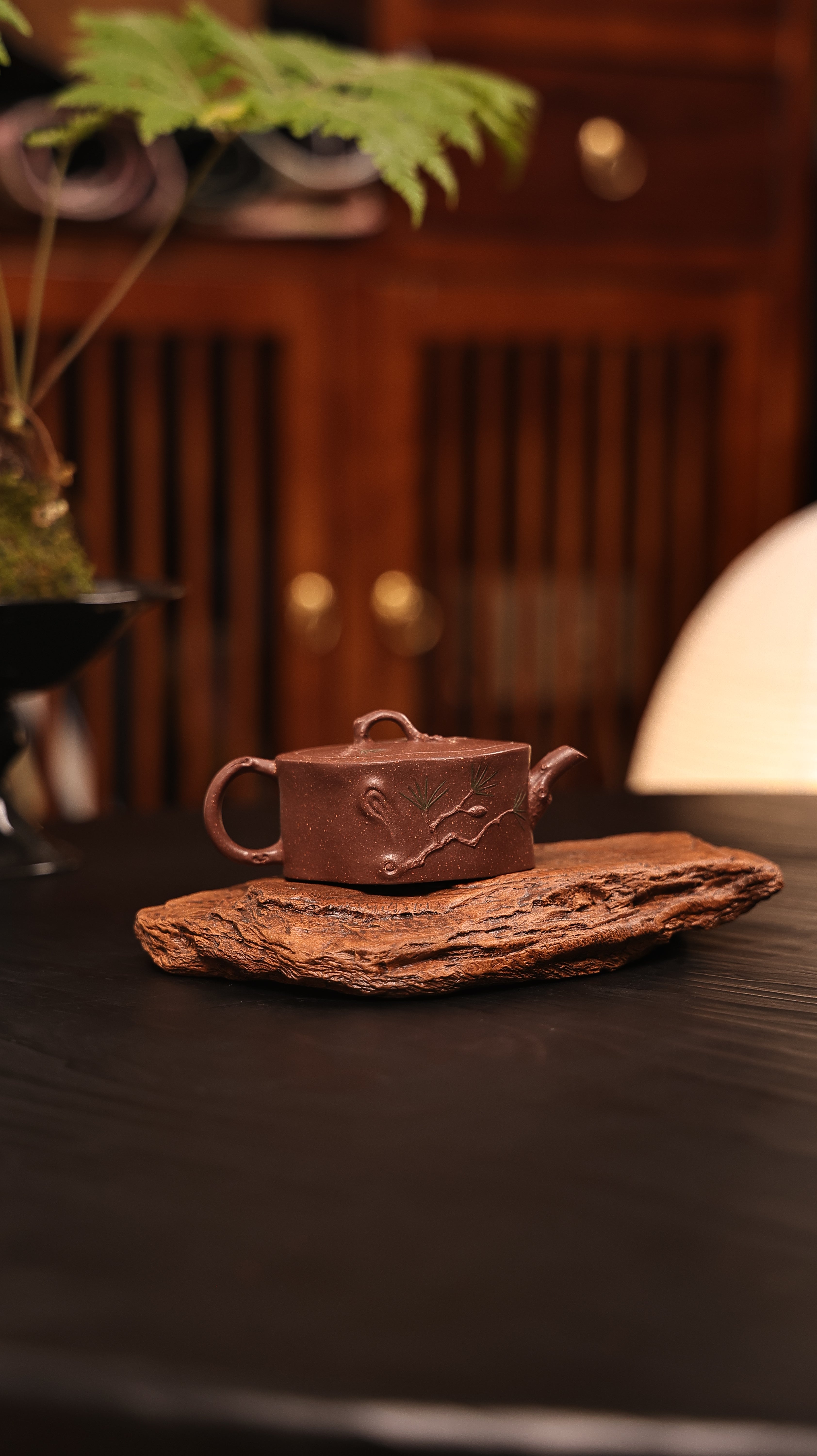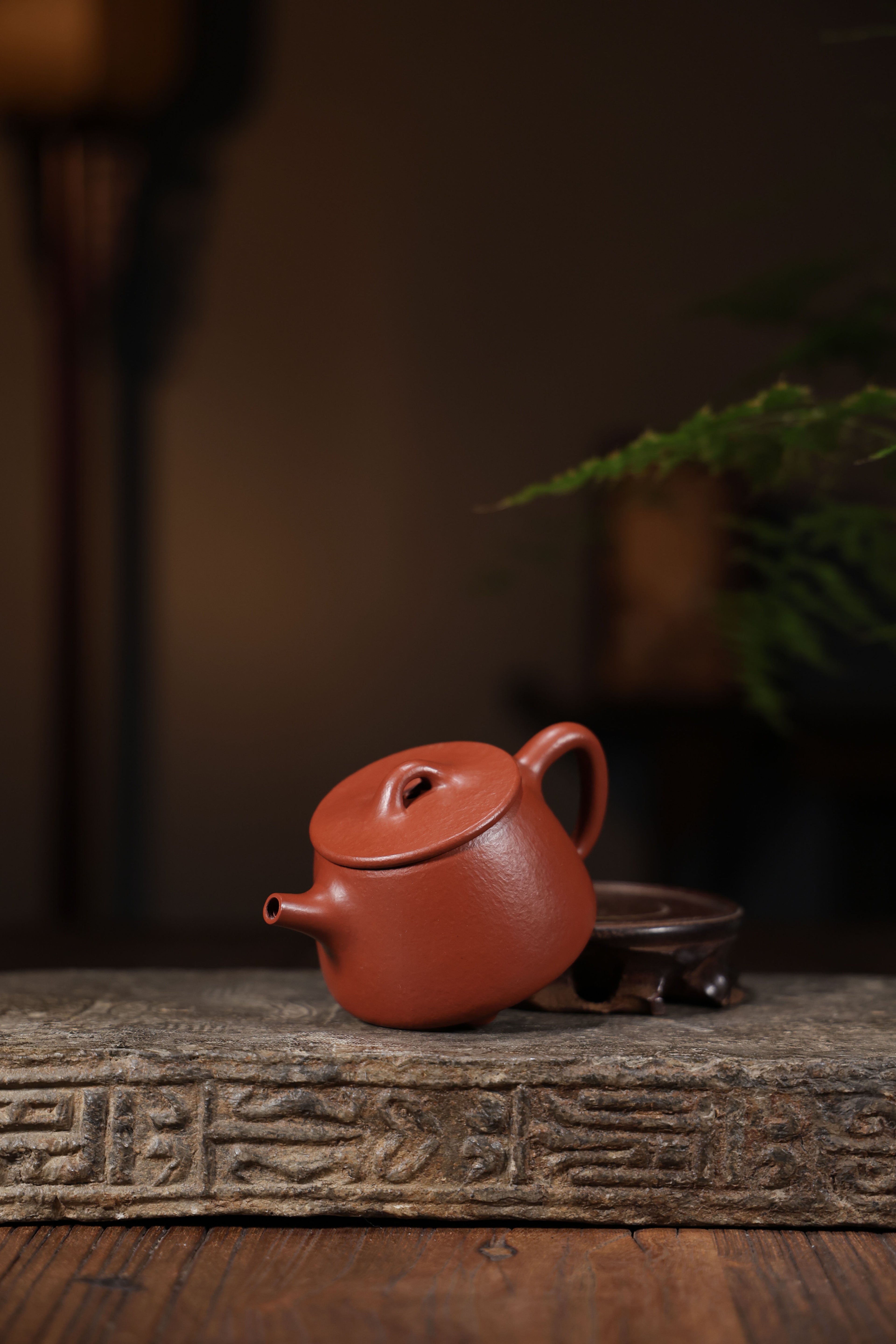
Opening the thorough review of Eysing Tzu Sha porcelain pots brings exclusive intriguing blend of artistry alongside performance.
Eysing Tz'u Sha brewing containers boast this exceptional attraction within collectors internationally. The fascinating clay pots, produced from the specific Yixing location close to Jiangsu administration, China, stand as more than just brewing instruments; they are recognized as works crafted beauty and historical significance. Special finely classified clay, known under the name Zisha, imparts a delicate flavor within the tea, and the complex designs, often embodying traditional Chinese artistry, improve their natural value. Obtaining a genuine Yixing Zisha teapot is a rewarding journey, asking for careful investigation and an comprehension of the several factors influencing the exclusivity.
Delving into Yixing Teapots
Issing earthenware pots boast a storied history deeply interwoven with Chinese civilization. Originating in Yixing, Jiangsu area, these pots are crafted from a unique, porous purple dirt found only in that designated location. Their growth began during the Ming time, with master artisans refining the means over Yixing Teapot decades. Different types appear, including the classic Hexiang (resembling crab shells), Zhuni (red-brown hue), and Duan Ni (stone-studded) – each with distinctive appearances. The esteem of an Yixing pottery isn't solely based on its size or decoration, but also on the artisan’s reputation, the soil's quality, and the teapot's age and condition. Aficionados often seek out older examples, believing they absorb the essence of the tea brewed within them over time, further adding to their distinction.- Hexiang Ceramic Pots
- Red-Brown Ceramic Pots
- Stone-Studded Ceramic Pots
Zisha Teapot Mastery: Artistry & Systems
The manufacture of Zisha teapots represents a culmination of Chinese ceramic craft. Seasoned artisans employ traditional techniques, often passed down through heredity, to unlock the full potential of this unique clay. Techniques involve meticulous crafting by hand, often combined with the layering method, followed by precise drying at incredibly marked temperatures in wood-fired kilns. Adorning is equally crucial; artisans utilize natural clay colors and may incorporate relief work to depict intricate scenes or patterns, demonstrating a profound familiarity of the material’s properties and voice. The product teapot isn't merely a vessel for tea, but a testament to a valuable cultural tradition.
Eastern Pottery: A Insight to Yi-hsing Zisha
Discovering the world of Eastern teapots commonly begins with Yixing Zisha. These distinctive clay containers are constructed from a exclusive type of clay found only in the Yixing region of Jiangsu Province province. Recognized for its singular reddish-purple hue and premium properties, Zisha clay gives a nuanced flavor to the tisane and progresses with age, forming into a cherished heirloom. Owning Yixing Zisha pots is more than just holding a exquisite object; it’s a dedication of history and talent.
Surveying exclusive Zisha: Authenticity & Value
Venturing into the realm of Yixing Zisha ware can be incredibly fulfilling, but necessitates a thorough knowledge. Veracity is essential; several duplications occur, routinely craftily constructed. Becoming knowledgeable about old-fashioned cooking procedures, exclusive soil traits, and the hallmarks of renowned artisans is wholly imperative. What’s more, knowing the intricacies of the value trend – influenced by determinants such as antique consequence and the appearance of the piece – is fundamental to advantageous procurement.
- Investigating tempering lineage.
- Hiring authorities for substantiation.
- Judging commerce dynamics.
That Discipline of Making with a Stoneware Container
Such unique allure of a Zisha tool lies not just in its stunning appearance, but also in its profound impact on the bouquet of the infusion. These antique clay earthen vessels, sourced from certain regions of China, possess a basic porosity that softly interacts with the water and leaves, imbuing the libation with a refined character. Mastering the craft requires a careful approach, understanding how the clay responds to variegated heat levels and floral types, ultimately leading to a authentically rewarding imbibing process.
Sustaining One's Relic
Proper handling of your Yixing teapot is important to preserving its usefulness. These unique teapots, crafted from special Yixing clay, exhibit a sheen over intervals that increases their prestige. Periodically rinse the inner area with warm water, avoiding soapsuds, and never use harsh scrubbing tools. Intermittent gentle washing with a gentle cloth can encourage in removing spots. Allow your brewery pot to fully dry subsequent to each steeping
Understanding Earthenware: Secrets Those Ceramic Pots Illustrate Special
The celebrated appeal of Yixing teapots emerges from the distinctive properties of Purple clay, harvested solely near Yixing, the Memorable Chinese region. This outstanding clay, classified as ferruginous mud , possesses a unusual combination of ingredients that, as years pass, absorb the taste of the beverages it embraces. This generates a one-of-a-kind taste experience for each pot, providing it a merit far outperforming its initial price and resulting to their coveted status among devotees.
Spotting the Appropriate Regional Teapot: A Zisha Manual
Venturing into the world of Zisha clay teapots can feel complex, but understanding the principles is crucial to identifying a cherished piece. This variety of clay, sourced predominantly from the environs of Yixing, the province of Jiangsu, is famous for its distinctive texture and ability to enhance the taste of the tea over time. Consider the shape, the color, and the overall aesthetic; a genuine Zisha teapot is more than just a canister; it's a finely crafted object and a example of classic culture. View the etching of the craftswoman for clues to its lineage and potential significance.