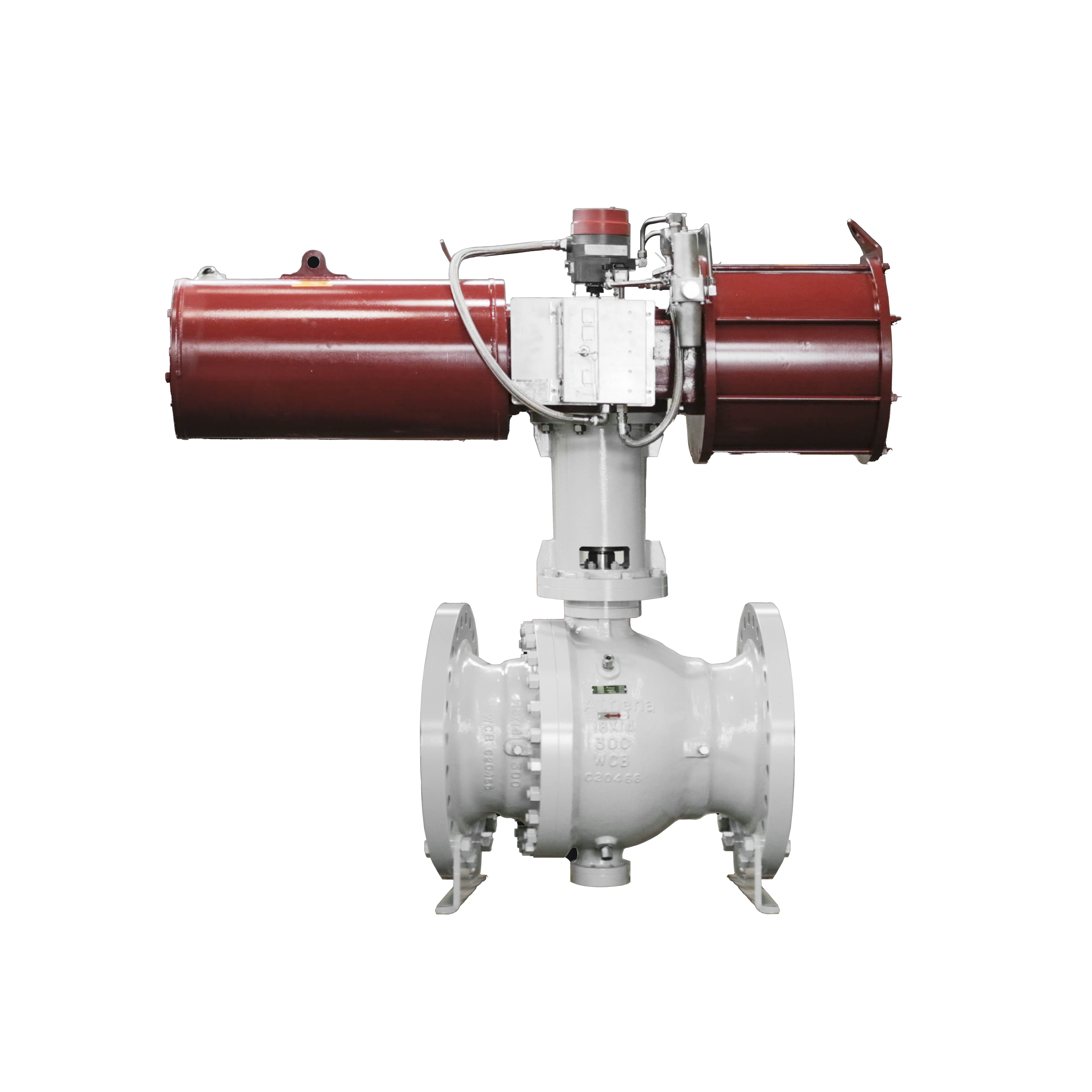
Exploring Gate Valves: Varieties, Functions, and Servicing
Stopper Gates, each simple tool for segregating circulation in channels, supply a direct method for initiating or cutting fluid path. Frequent variations include skewed gate, round gate, and blade gate, each suited for specific jobs, such as crude processing, hydration cleansing, and process premises. Consistent upkeep, including systematic assessments, oiling of mechanical pieces, and occasional renewal of damaged stoppers, is crucial for ensuring dependable performance and amplifying the device's validity}.Picking The Stream Regulation
If developing one fluid operation, selecting a suitable valve variant is critical for effective service. Disc valves and gate valves are usually selected, but address clearly contrasting objectives. Cutoff valves are mainly built for absolutely stopping current and are scarcely properly adapted for moderating flow rates. On the other hand, modulating valves provide outstanding powers for precise process management and are traditionally selected where dynamic transit quantities are called for. Think about one's purpose's defining requirements before selecting this absolute selection.
- Stop valves - Ideal for open-close supervision.
- Control valves - Advantageous for throttling fluid.
One-way Valve Functionality: Blocking Counterflow in Conduit Frameworks
Preventive valves are significant components in many industrial piping networks, designed to guarantee one-way passage of materials. Their chief purpose is to block reflux, that could harm machinery, pollute supplies, or disrupt processes. They regularly behave self-drivenly, authorizing stream in one vector while strongly obstructing passage in the reverse direction.
Ball Valves: Virtues and Weaknesses for Technical Employment
Globe ball valves are widely employed in commercial settings due to their simple design and solid operation. However, it’s imperative to grasp both their constructive aspects and potential problematic characteristics. Regarding the benefits, ball valves offer prompt shut-off Ball Valve capabilities, first-rate flow control when applied in a semi- position (though typically not recommended for prolonged throttling), and are fairly economical compared to certain valve styles.
- Basic Upkeep
- Low Force Decline
- Tight Fastening
Inspection of Valve Classes: Gate, Globe, Check, and Ball
Learning the differences involving valve types is important for selecting the proper solution for a defined application. Let’s properly investigate four typical valves: gate, globe, check, and ball. Gate systems present minimal barrier to passage when thoroughly open, making them excellent for ample capacity jobs, but experiencing poor adjustment capabilities. Globe systems, in opposition, exhibit a disc that contacts against a gap, allowing for accurate transit modulation, although at the cost of elevated stress drop. Check regulators are made to automatically block retrograde flow, conducting as a unidirectional precautionary detail. Finally, ball valves make use of a spinning rounded piece with a vent to allow circulation, granting immediate opening and shutdown with somewhat low stress loss.
- Gate Valves: low resistance
- Globe Valves: controlled passage
- Check Valves: cease retrograde flow
- Ball Valves: accelerated unsealing
Selecting the Right Device: A Overview to Shutter, Orbital, Uni-directional, and Rotary
Once addressing with moist flow, selecting the right device is essential. Gate devices offer low obstruction and are suitable for unobstructed use, but don't well-suited for controlling. Globe devices provide good flow supervision and are more ideal for cases requiring dynamic transfer rates. Check valves are automatic and permit flux in exclusive line only, forbidding retrograde flow. Finally, ball devices provide instant deactivation and are usually used in heavy-duty situations due to their robust configuration.
Handling Usual Difficulties with Gate, Globe, and Ball Valves
Addressing faulty gate, globe, and ball valves can be difficult, but countless common issues are simply fixed with a simple of wisdom. Consider some typical problems and possible solutions. For gate systems, seek out seepage around the enclosure, which usually indicates a loose seal. Globe apparatuses are liable to sticking due to particles – use planned direct movement or clearing to eliminate the obstruction. Ball apparatuses might experience seal leaks if the globe is defective; replacement the cushion is generally the leading solution.
- Evaluate for oxidation
- Affirm suitable lubrication
- Reflect on professional aid if the problem lasts
The Place of Check Components in Maintaining Network Wholeness
One-way mechanisms serve a important role in strengthening aggregate pipeline soundness across various fields.Particular stop backflow of elements, which will present grave vulnerabilities including tainting of commodities, hardware defect, and even laborers harm.As an example, in a liquid circulation, non-return instruments safeguard the provision from ending up infected by backward force. To add on, the apparatuses allow protected closure protocols and minimize the risk for unregulated emission circumstances.
Contemplate the next examples:
- Defense of delicate instruments from destruction due to reverse flow.
- Maintaining the soundness of drinkable H2O inventories.
- Forbidding unhealthy matter backwash into non-contaminated zones.
Understanding Regulation System Types: Gate, Globe, Ball, and Check
While all serving as essential components in fluid handling, gate, globe, ball, and check valves differ significantly in design and application. Gate valves offer minuscule flow difficulty when fully available, ideal for exclusion but