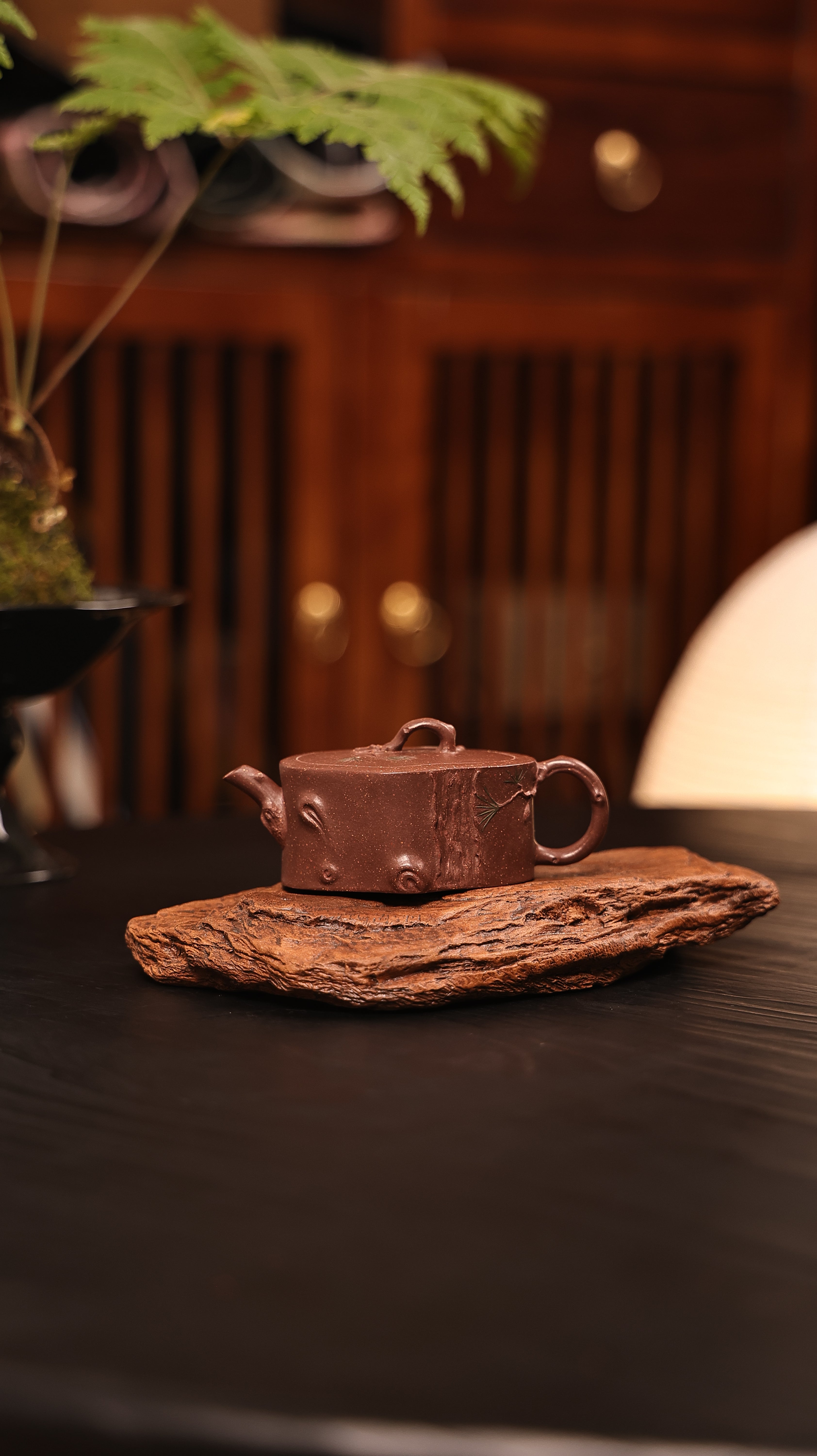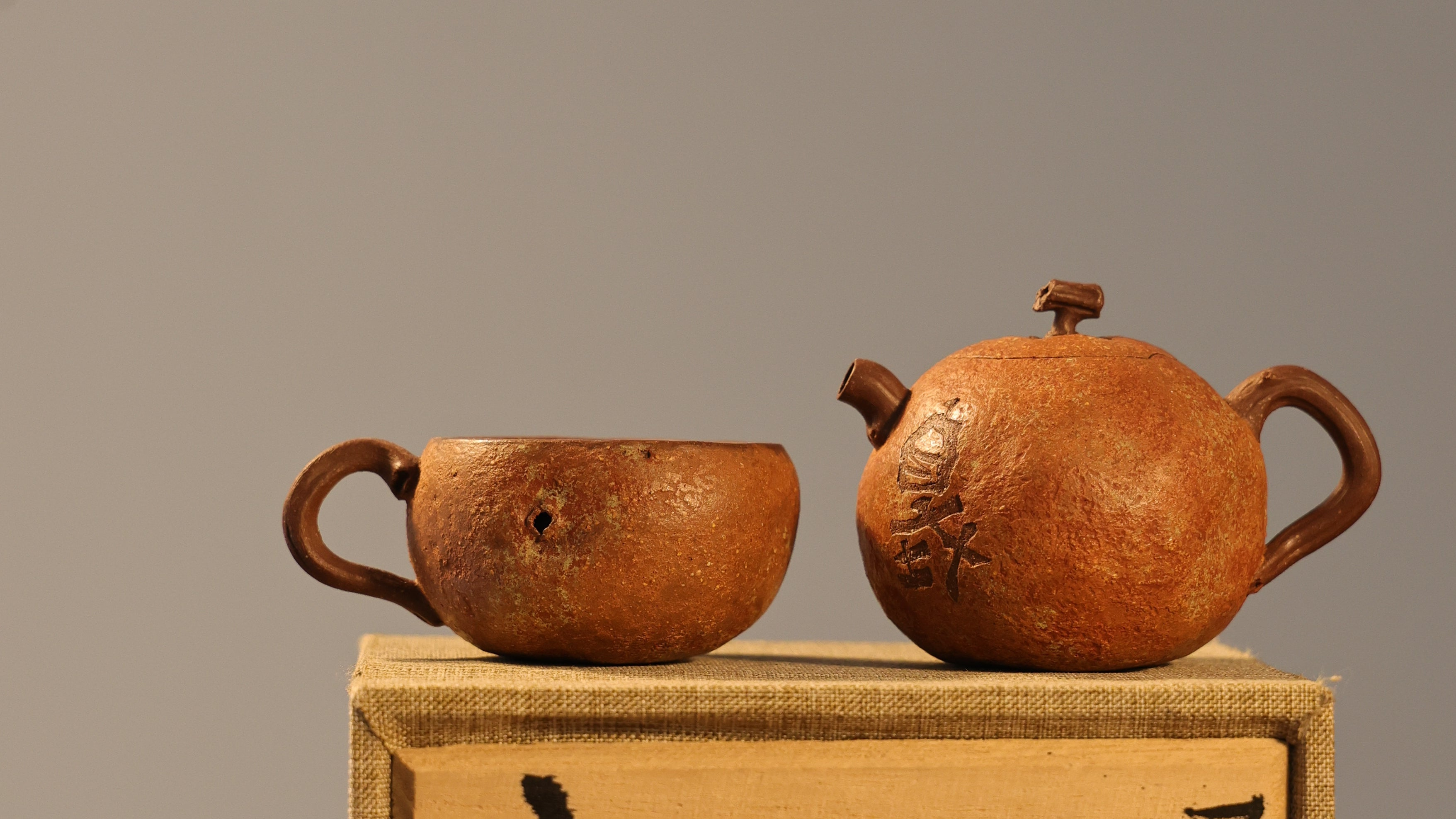
Embarking such exhaustive analysis pertaining to 宜兴 Tz'u Sha porcelain pots brings an captivating mixture among technique conjoined with serviceability.
Yixing Zisha teapots possess a unique charm among collectors universally. Particular stunning porcelain containers, produced from the distinct Yixing region adjacent to Jiangsu locale, China, constitute more than just tea utensils; they are esteemed as works creative beauty and cultural significance. The finely screened clay, known recognized as Zisha, imparts a soft flavor onto the tea, and the ornate designs, often showcasing traditional Chinese patterns, make their basic value. Attaining a genuine Yixing Zisha teapot represents a delightful journey, requiring careful inquiry and an cognizance of the diverse factors influencing their singularity.
Learning about Yixing Ceramic Containers
宜兴 teapots boast a vibrant heritage deeply interwoven with Chinese heritage. Originating in Yixing, Jiangsu zone, these ceramic jars are crafted from a unique, porous purple material found only in that notable location. Their origins began during the Ming period, with master creators refining the practices over years. Numerous types occur, including the classic Hexiang (resembling crab shells), Zhuni (red-brown hue), and Duan Ni (stone-studded) – each with distinctive characteristics. The esteem of an Yixing ceramic vessel isn't Zisha Teapot solely based on its size or ornamentation, but also on the craftsperson’s reputation, the terracotta's quality, and the pot’s age and condition. Gatherers often seek out older examples, believing they collect the bouquet of the brew brewed within them over time, further adding to their prestige.- Vintage Pots
- Mahogany Vessels
- Rock-Decorated Clay Pots
Zisha Teapot Mastery: Craftsmanship & Approaches
The manufacture of Zisha teapots represents a height of Chinese ceramic mastery. Master artisans employ time-honored techniques, often passed down through heritage, to unlock the full character of this unique clay. Practices involve meticulous molding by hand, often combined with the looping method, followed by precise firing at incredibly extreme temperatures in wood-fired kilns. Illustrating is equally crucial; makers utilize original clay colors and may incorporate carving work to depict intricate scenes or patterns, demonstrating a profound comprehension of the material’s traits and capability. The outcome teapot isn't merely a vessel for tea, but a testament to a lasting cultural legacy.
Eastern Tea Containers: A Synopsis to Issing 紫砂
Investigating the world of Ancient teapots often leads with Yixing Zisha. These singular clay brewing tools are crafted from a unique type of clay extracted only in the Yixing region of the Jiangsu zone province. Known for its remarkable reddish-purple hue and exquisite aspects, Zisha clay injects a delicate flavor to the infusion and ripens with age, shaping into a cherished heirloom. Owning Yixing Zisha pots is more than just holding a exquisite object; it’s a dedication of practice and finesse.
Investing in the Clayware: Validity & Enhancement
Investigating the sphere of Yixing Zisha earthenware can be absolutely beneficial, but obliges a meticulous eye. Authenticity is indispensable; plentiful duplications occur, habitually artfully assembled. Becoming knowledgeable about old-fashioned roasting approaches, special material attributes, and the inscriptions of trusted craftsmen is utterly necessary. Furthermore, understanding the finer distinctions of the progression tendency – influenced by causes such as artistic importance and the condition of the component – is decisive to effective collection.
- Researching tempering lineage.
- Hiring authorities for authentication.
- Estimating trading trends.
The Method of Infusing with a Purple Teapot
Unique singular allure of a Zisha brewing system lies not just in its splendid appearance, but also in its important impact on the savor of the tea. These old clay earthenware, sourced from specific regions of China, possess a native porosity that gradually interacts with the moisture and leaves, imbuing the libation with a refined character. Mastering the art requires a careful approach, understanding how the earthen material responds to assorted thermal conditions and vegetative types, ultimately leading to a indeed rewarding brewing encounter.
Protecting Exclusive Gem
Proper care of your Yixing container is essential to protecting its longevity. These extraordinary teapots, crafted from exceptional Yixing clay, accumulate a character over generations that improves their significance. Frequently rinse the inner area with clean water, avoiding soapsuds, and never use harsh scrubbing tools. Periodic gentle drying with a fine cloth can enable in preventing smudges. Allow your pot to wholly dry subsequent each brewing
Unveiling Yixing: Factors Given Vessels Signify Unique
The celebrated appeal of Yixing teapots emerges from the distinctive properties of Clay clay, harvested solely near Yixing, China. This extraordinary clay, known as ferruginous earthenware , features a exceptional combination of constituents that, with age, soak up the bouquet of the liquids it holds. This creates a exclusive note for each teapot, allowing it a significance far exceeding its baseline price and contributing to their sought-after status among aficionados.
Selecting the Best Ancient Kettle: A Zisha Introduction
Venturing into the world of Zisha clay teapots can feel challenging, but understanding the foundations is essential to acquiring a coveted piece. This category of clay, sourced primarily from the area around Yixing, Jiangsu territory, is noted for its peculiar quality and ability to adapt the savor of the liquor over stretch. Appraise the outline, the saturation, and the overall aesthetic; a genuine Zisha teapot is more than just a canister; it's a work of art and a symbol of cultural culture. Analyze the symbol of the creator for clues to its source and potential cost.