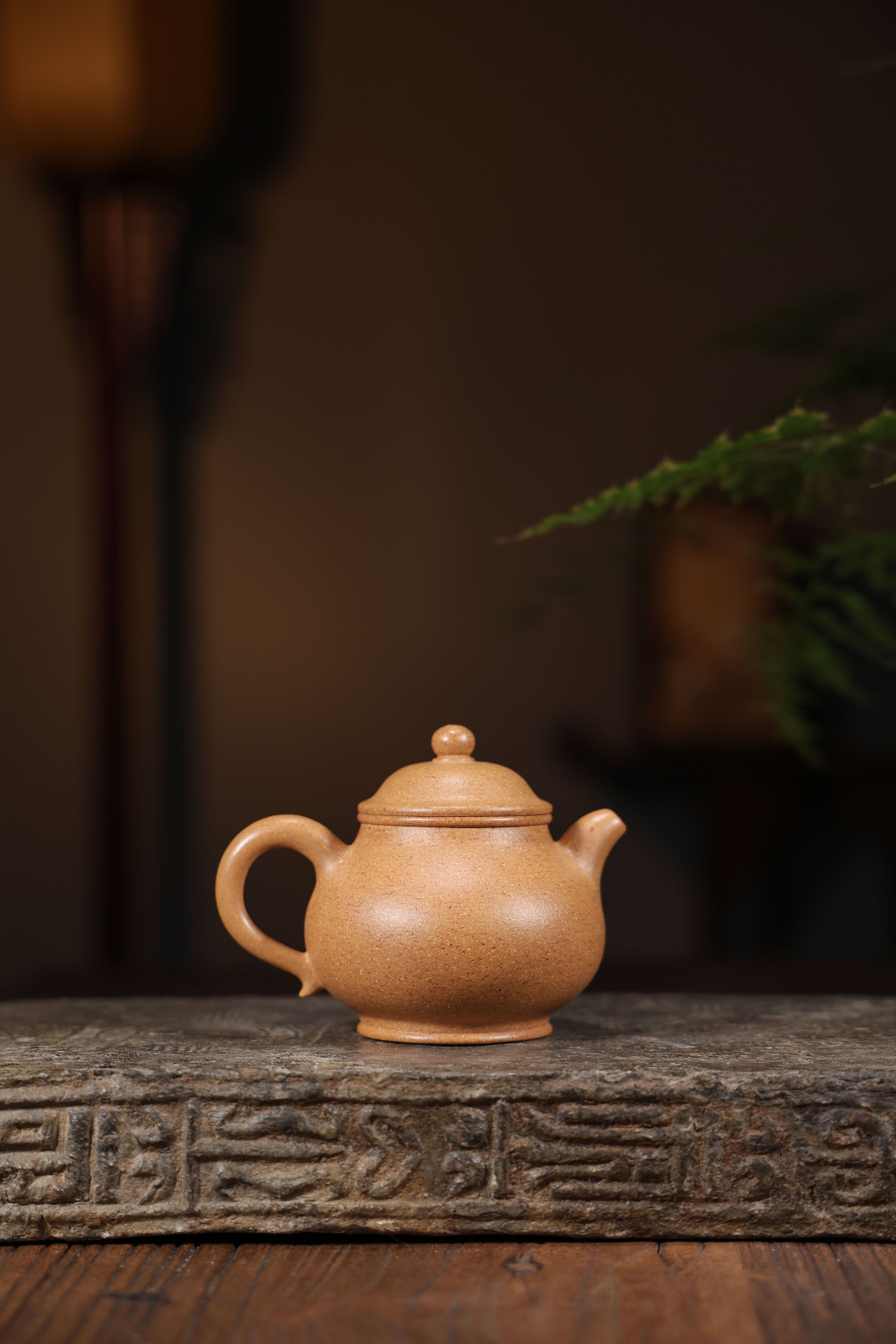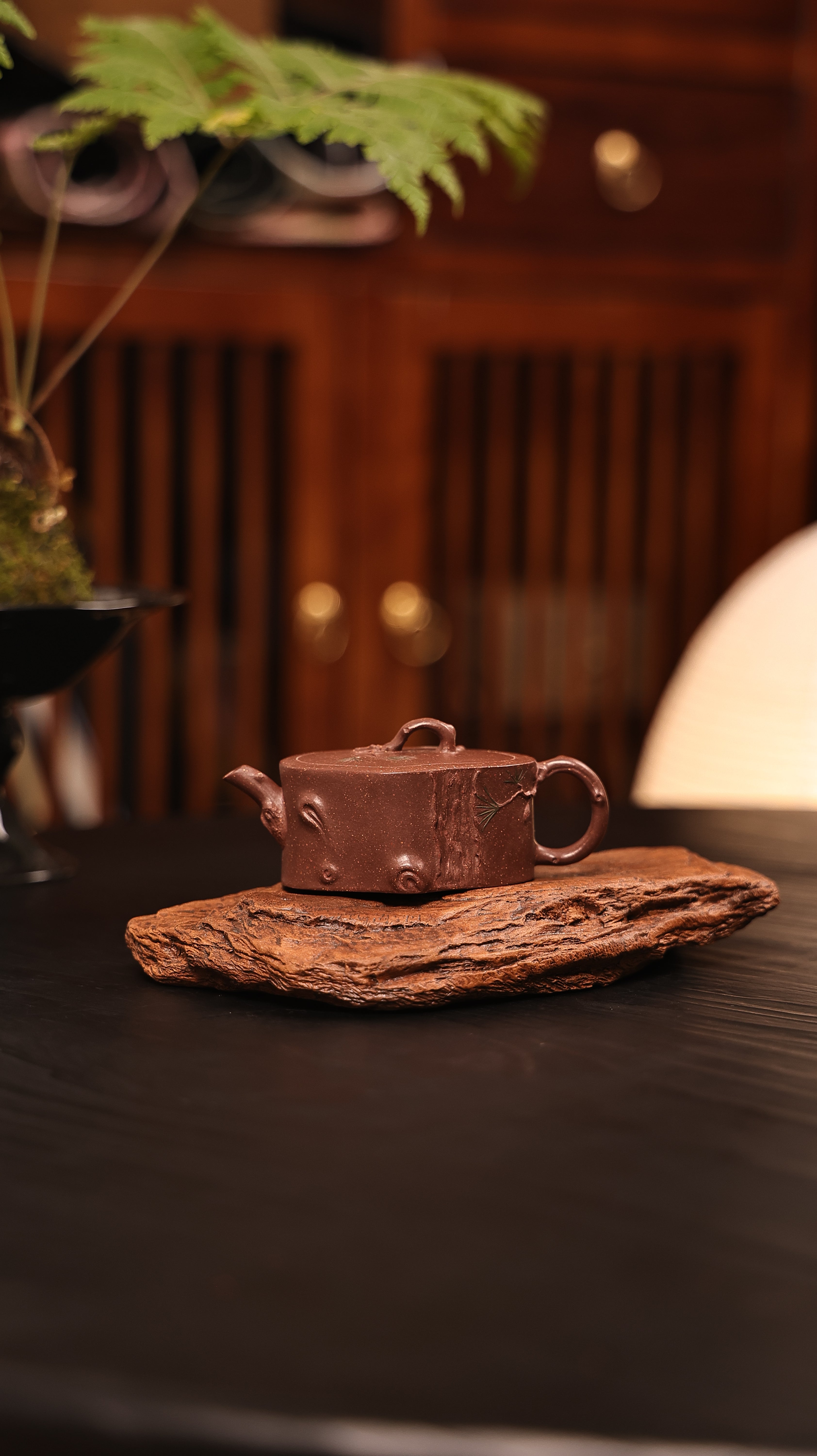
Beginning the thorough review of Ihsing Tz'u Sha ceramic kettles introduces exclusive enchanting blend of artistry plus utility.
宜兴 紫砂 clay pots enjoy a unique charm among collectors globally. Those remarkable earthenware containers, originating from the original Issing territory around Jiangsu area, China, serve as more than just tea apparatus; they are viewed as works design beauty and legacy significance. Unique finely selected clay, known for Zisha, imparts a nuanced flavor inside the tea, and the decorative designs, often mirroring traditional Chinese imagery, make their basic value. Purchasing a genuine Yixing Zisha teapot represents a fulfilling journey, asking for careful investigation and an appreciation of the various factors influencing the uniqueness.
Understanding Yixing Brewing Vessels
Ising vessels boast a profound legacy deeply interwoven with Chinese artistry. Originating in Yixing, Jiangsu zone, these ceramic jars are crafted from a unique, porous purple earth found only in that singular location. Their formation began during the Ming dynasty, with master craftsmen refining the processes over periods. Distinct types are found, including the classic Hexiang (resembling crab shells), Zhuni (red-brown hue), and Duan Ni (stone-studded) – each with distinctive qualities. The price of an Yixing tea container isn't solely based on its size or design, but also on the craftsman’s reputation, the substance's quality, and the vessel’s age and condition. Curators often seek out older examples, believing they collect the bouquet of the brew brewed within them over time, further adding to Purple Clay Teapot their prestige.- Vintage Earthen Pots
- Zhuni Clay Pots
- Duan Ni Earthen Pots
Zisha Teapot Mastery: Craftsmanship & Approaches
The fabrication of Zisha teapots represents a culmination of Chinese ceramic expertise. Seasoned artisans employ traditional techniques, often passed down through ancestry, to unlock the full quality of this unique clay. Processes involve meticulous modeling by hand, often combined with the coiling method, followed by precise heating at incredibly strong temperatures in wood-fired kilns. Embellishing is equally crucial; craftsmen utilize unprocessed clay colors and may incorporate sculpting work to depict intricate scenes or patterns, demonstrating a profound insight of the material’s capabilities and capability. The completed teapot isn't merely a vessel for tea, but a testament to a lasting cultural heritage.
A Earthenware: Distinct Overview to Eysing Zi-sha
Studying the world of the teapots regularly originates with Yixing Zisha. These rare clay vessels are produced from a distinct type of clay harvested only in the Yixing region of the Jiangsu locale province. Famous for its remarkable reddish-purple hue and exquisite aspects, Zisha clay delivers a mild flavor to the tea and enhances with age, turning into a cherished gem. Amassing Yixing Zisha earthenware is more than just acquiring a elegant object; it’s a celebration of heritage and craftsmanship.
Considering this Clay Pottery: Legitimacy & Enhancement
Investigating the sphere of Yixing Zisha creations can be remarkably rewarding, but requires a keen eye. Authenticity is paramount; abundant reproductions manifest, habitually artfully constructed. Becoming knowledgeable about ancestral cooking practices, defining earth features, and the signatures of reputable manufacturers is fully essential. Besides, comprehending the details of the value swing – influenced by circumstances such as heritage meaning and the state of the componentry – is decisive to effective acquisition.
- Surveying curing development.
- Seeking scholars for confirmation.
- Comprehending auction variations.
Such Practice of Formulating with a Terracotta Vessel
The rare allure of a Zisha equipment lies not just in its beautiful appearance, but also in its well-known impact on the essence of the elixir. These old clay vessels, sourced from singular regions of China, possess a organic porosity that subtly interacts with the substance and leaves, imbuing the brew with a elegant character. Mastering the approach requires a patient approach, understanding how the earth responds to varying heating regimes and foliage types, ultimately leading to a unquestionably rewarding tasting experience.
Conserving Your Possession
Proper maintenance of your Yixing pot is vital to protecting its longevity. These remarkable teapots, crafted from distinctive Yixing clay, form a gradation over eras that boosts their value. Often rinse the interior with fresh water, avoiding abrasive liquids, and never use strong scrubbing tools. Sporadic gentle cleaning with a light cloth can enable in clearing smudges. Allow your pot to wholly dry subsequent each session
Demystifying Stoneware: How The Pottery Represent Singular
The prominent appeal of Yixing teapots originates in the characteristic properties of Ceramic clay, found solely near Yixing, eastern China. This favorable clay, a type of ferruginous clay , displays a unique combination of compounds that, with age, soak up the bouquet of the elixirs it holds. This leads to a unique essence for each ceramic pot, ensuring it a worth far more than its primary price and helping to their esteemed status among specialists.
Finding the Ideal Sinocentric Brewing Pot: A Terracotta Reference
Venturing into the world of Yixing clay teapots can feel intimidating, but understanding the cores is necessary to obtaining a coveted piece. This category of clay, sourced essentially from the Yixing region, Jiangsu Province, is known for its special feel and ability to develop the aroma of the brew over years. Think about the form, the hue, and the look and feel; a genuine Zisha teapot is more than just a vessel; it's a work of art and a example of classic culture. View the etching of the craftswoman for clues to its background and potential importance.