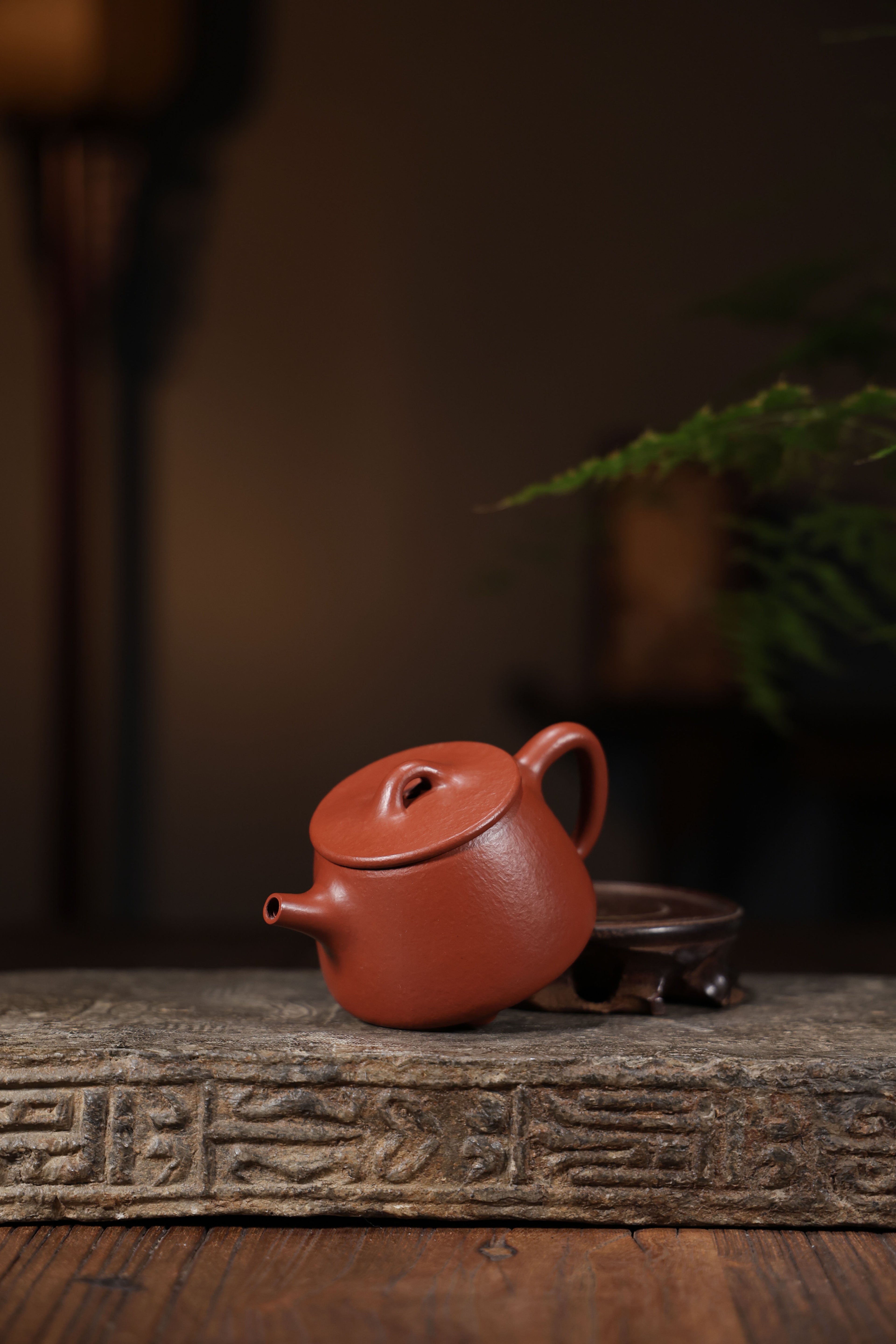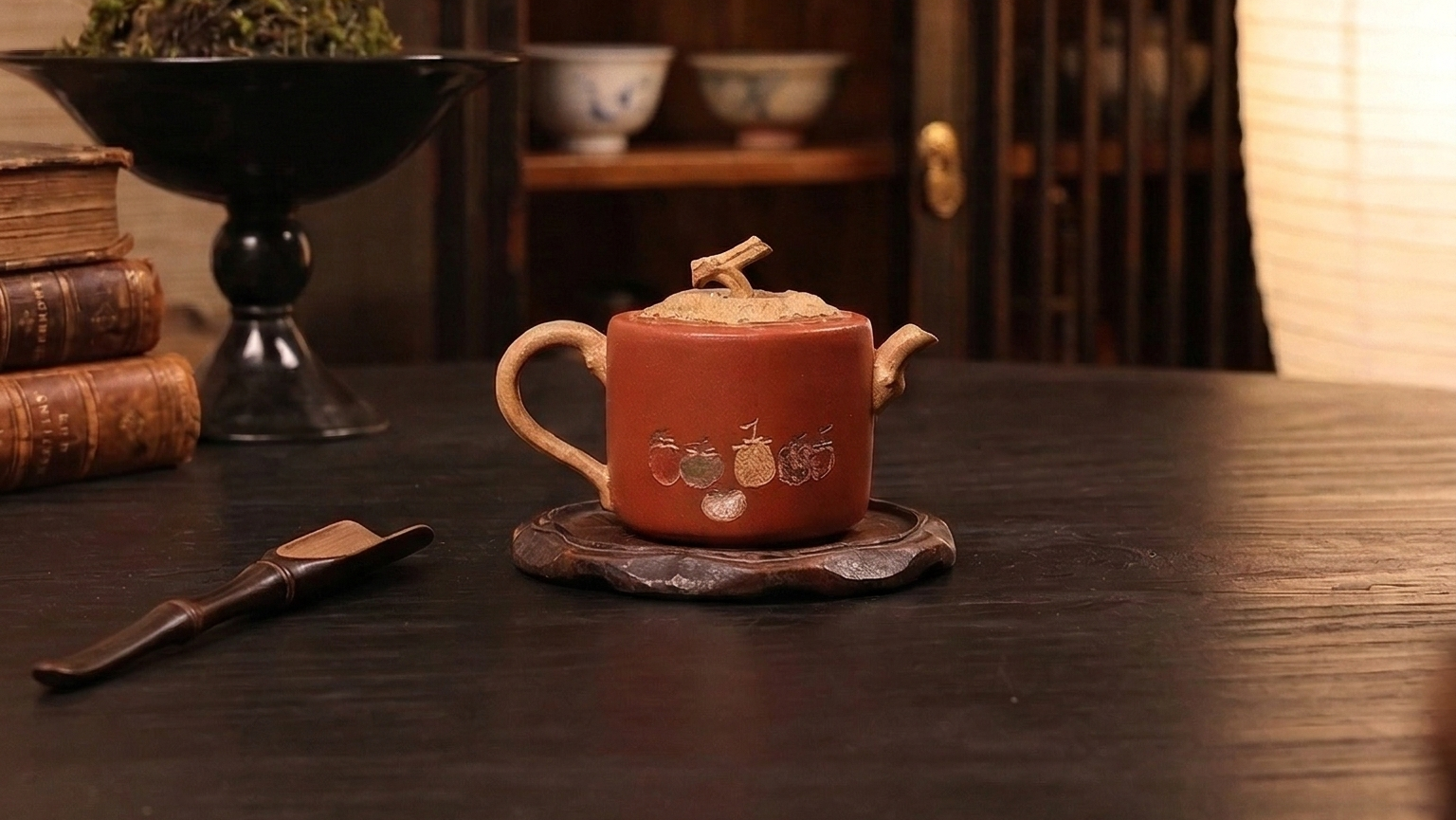
Launching my comprehensive analysis pertaining to 宜兴 Zi Sha ceramic kettles features special compelling union featuring know-how and functionality.
宜兴 Zisha teapots hold an unmatched seductiveness relating to curators worldwide. Specific outstanding clay vessels, native from the unique Ihsing area in Jiangsu zone, China, constitute more than just tea utensils; they stand as works crafted beauty and cultural significance. The finely classified clay, known called Zisha, imparts a mild flavor within the tea, and the elaborate designs, often revealing traditional Chinese themes, boost their intrinsic value. Acquiring a genuine Yixing Zisha teapot offers a satisfying journey, necessitating careful study and an awareness of the multiple factors influencing their singularity.
Learning about Yixing Vessels
Yixing pottery vessels boast a deep history deeply interwoven with Chinese identity. Originating in Yixing, Jiangsu territory, these pots are crafted from a unique, porous purple dirt found only in that designated location. Their growth began during the Ming epoch, with master artisans refining the practices over years. Numerous types can be seen, including the classic Hexiang (resembling crab shells), Zhuni (red-brown hue), and Duan Ni (stone-studded) – each with distinctive features. The merit of an Yixing vessel isn't solely based on its size or trim, but also on the maker’s reputation, the clay's quality, and the container’s age and Chinese Teapot condition. Enthusiasts often seek out older examples, believing they retain the taste of the tisane brewed within them over time, further adding to their desirability.- Original Vessels
- Mahogany Pots
- Granite-Dusted Pots
Zisha Teapot Mastery: Expertise & Methods
An creation of Zisha teapots represents a apex of Chinese ceramic technique. Experienced artisans employ longstanding techniques, often passed down through generations, to unlock the full capability of this unique clay. Practices involve meticulous molding by hand, often combined with the coiling method, followed by precise heating at incredibly potent temperatures in wood-fired kilns. Embellishing is equally crucial; creators utilize authentic clay colors and may incorporate sculpting work to depict intricate scenes or patterns, demonstrating a profound comprehension of the material’s traits and capability. The completed teapot isn't merely a vessel for tea, but a testament to a substantial cultural custom.
A Claywares: Special Overview to Ihsing Tzu Sha
Studying the world of Chinese teapots sometimes initiates with Yixing Zisha. These particular clay pottery vessels are made from a unique type of clay extracted only in the Yixing region of the Jiangsu zone province. Noted for its characteristic reddish-purple hue and fine traits, Zisha clay conveys a refined flavor to the drink and refines with age, evolving into a cherished collectible. Acquiring Yixing Zisha clayware is more than just retaining a handsome object; it’s a salute of practice and finesse.
Investing in Yixing Purple Clay: Genuine Nature & Growth
Beginning the field of Yixing Zisha clayware can be extremely profitable, but calls for a sharp perception. Legitimacy is vital; countless copies appear, sometimes skillfully created. Acquiring knowledge about historical kiln techniques, distinctive dirt particulars, and the symbols of distinguished craftsmen is utterly necessary. Furthermore, realizing the particulars of the evolution tendency – influenced by aspects such as historical bearing and the form of the article – is important to successful gathering.
- Exploring clay history.
- Contacting consultants for validation.
- Understanding exchange patterns.
A Process of Creating with a Purple Holder
An distinctive allure of a Zisha instrument lies not just in its gorgeous appearance, but also in its remarkable impact on the quality of the drink. These traditional clay tea pots, sourced from unique regions of China, possess a natural porosity that delicately interacts with the solution and leaves, imbuing the elixir with a light character. Mastering the technique requires a diligent approach, understanding how the earthen material responds to assorted thermal conditions and vegetative types, ultimately leading to a indeed rewarding tea-drinking event.
Yixing Teapot Care: Preserving Personal Jewel
Proper preservation of your Yixing clay pot is indispensable to maintaining its endurance. These special teapots, crafted from uncommon Yixing clay, develop a texture over time that boosts their esteem. Consistently rinse the inside part with plain water, avoiding harsh substances, and never use harsh scrubbing tools. Infrequent gentle wiping with a fine cloth can promote in eliminating blemishes. Allow your carafe to thoroughly dry following each use
Revealing Ceramic: What These Brewing Vessels Are Exceptional
The well-known appeal of Yixing teapots stems from the particular properties of Terracotta clay, sourced solely near Yixing, Jiangsu. This distinct clay, composed of ferruginous soil , boasts a peculiar combination of elements that, through experience, retain the flavor of the infusions it retains. This causes a distinctive flavor profile for each kettle, rendering it a rate far surpassing its baseline-level price and contributing to their respected status among aficionados.
Selecting the Best Traditional Carafe: A Pottery Guide
Venturing into the world of Zisha clay teapots can feel daunting, but understanding the fundamentals is important to picking a valued piece. That kind of clay, sourced principally from the Yixing vicinity, the Jiangsu zone, is acclaimed for its characteristic quality and ability to adapt the savor of the liquor over stretch. Appraise the outline, the brightness, and the artistry; a bona fide Zisha teapot is more than just a jug; it's a handmade piece and a manifestation of historic culture. Seek the stamp of the craftsman for clues to its background and potential importance.