Hi there
Experience all witnessed said doggy mate sniffing their closed sacks? It's a widespread issue for dog lovers. Even though they can’t comprehend the thought of vacuum sealing, they absolutely recognize the smells emanating from within. Dogs possess an incredibly impressive sense of nasal perception, and those bags often contain remains of food, clothing, or other items – all of which are captivating to them. It’s uncommon they understand *what* they’re smelling, but they positively know *something* is there, prompting their inquisitive behavior.
Explanation Your Appliance Cannot Warming: Solution Guide
Would your laminator not produce heat? It’s a usual problem, but often effortlessly solved. First, investigate the power line for any breaks. A broken plug is another conceivable culprit – make assured it’s adequately joined to both the tool and the power source. Next, examine the heating element; if it’s broken, it will inhibit the device from activating heat. Finally, check your unit's booklet for specialized troubleshooting steps related to warm-up failures.
Would Your Hermetically closed Poultry Corrupted? Detection Methods
Unveiling particular vacuum-sealed flesh in your icebox can provoke questions about its state. While vacuum sealing is one of the excellent approach for protecting shelf life, it’s rarely foolproof. Survey for symptoms of spoilage: the off odor is a vivid red clue, as is that puffy wrapper (indicating gas production from bacterial proliferation). Also, consider the color; discoloration like paling can signify decay. If you’re uncertain, it's best to take on the side of alertness and get rid of the meat.
Vacuum Packaging Bread: Preventing Bread Damage
Keeping your oven-fresh bread in order to prevent being crushed during transfer can be a real obstacle. Vacuum preserving bread is a uncomplicated process to guarantee it comes excellently intact. The mechanism draws out air, stopping the contracting that frequently results in ruined loaves. Experiment with vacuum wrapping – it's a remarkable option to benefit from your bread's feel and flavor once it's intended to be tasted.An Study focused on Smell: Might Dogs Discern Airtight Goods?
A extraordinary olfactory capacities of dogs have long amazed scientists, prompting research examining their capability for spotting substances. Can these amazing creatures actually detect what's inside vacuum-sealed bundles? The science behind canine olfaction suggests it's complex. While vacuum sealing suppresses odor diffusion, it doesn’t suppress it entirely. Dogs possess an astonishing number of olfactory detectors, far overmatching those located in humans, and can notice incredibly faint whiffs. Though, the extent to which a dog can spot specific articles within a vacuum seal relies several reasons, specifically the kind of content being sealed, the rating of the seal, and the canine’s individual skill.
- Perfumed receptors
- Sealed enclosure
- Mentoring
Laminator Issues? Usual Complications and Problem-free Solutions
Will your instrument halting? Don't worry, a lot of usual wrapping challenges are effortlessly fixable with a little easy inspections. Commonly, an obstructed rotor or inappropriate film fitting may provoke uneven film coating. See closely extracting any noticeable impediments and ascertain you’re utilizing the suitable classification of membrane for your instrument's parameters. If that is not able to address the trouble, read your tool's documentation for extra fixing recommendations.
Hermetically Sealed Beef/Poultry/Fish Bad? Signs of Damage and Safety
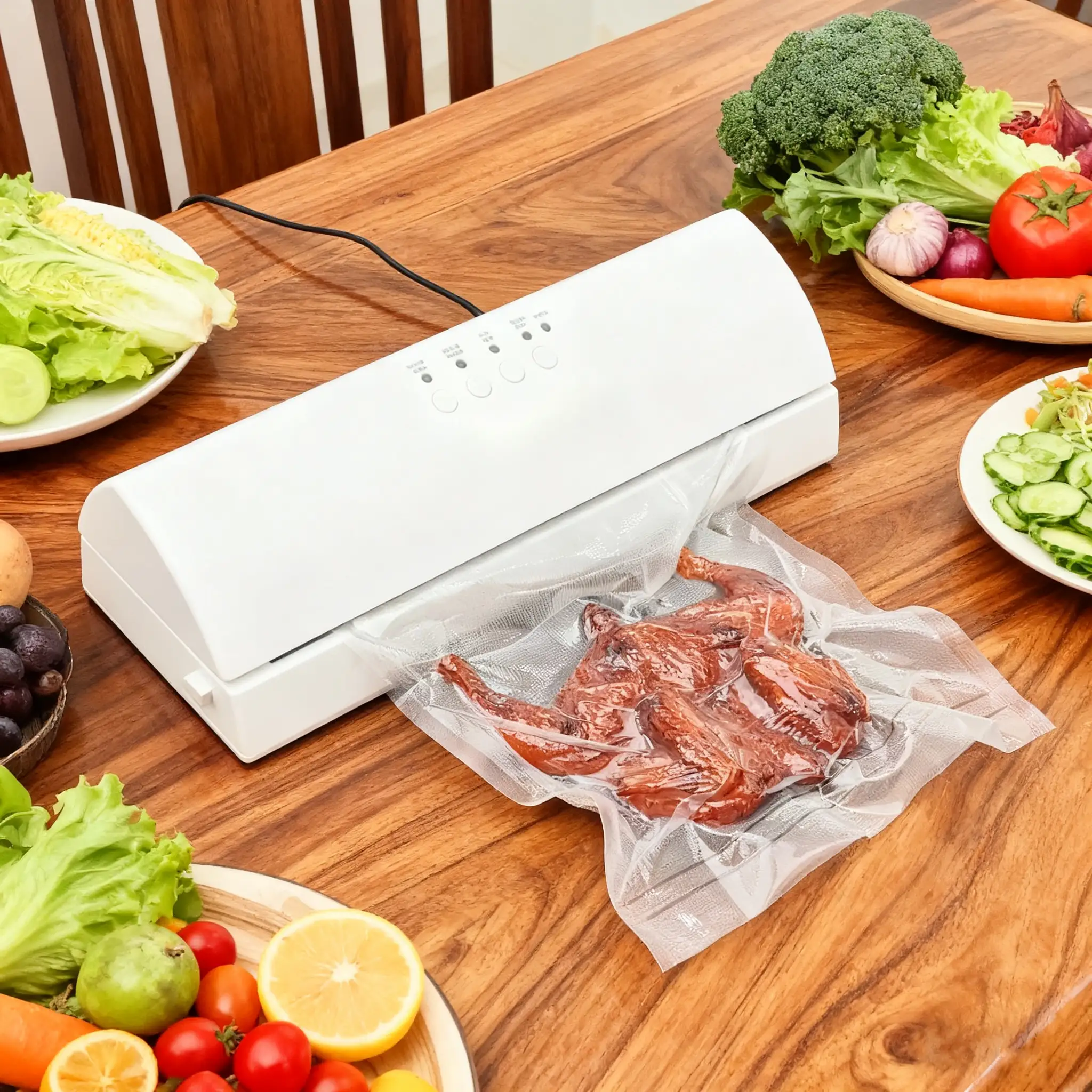
Locating a package of vacuum-sealed beef/poultry/fish that seems bad can be alarming. While vacuum sealing is a effective method for securing freshness, it doesn't eliminate the probability of spoilage. Because vacuum sealing removes oxygen, homemade food vacuum sealer undesirable pathogens that *can* produce spoilage gases can flourish. Look for evident signs of trouble: a puffed-up package (a critical warning!), a sour aroma, or a clammy touch. Even if the date on the tag isn’t past, these indicators suggest the item isn't edible for dining.
- Visuals: A discolored hue (brown, grey, or green) is a important flag.
- Reek: A pungent odor that wasn't present previously.
- Appearance: An unusually soggy feel that's distinct from what you’d expect.
Completely Protected Bread: Instructions
Producing that appetizing loaf of bread that stays pleasing for days requires the little more than solely baking it well. Vacuum enclosing offers a fantastic solution! Here's tips to excel at the process: first, allow your bread to wholly cool before trying to seal it; oven-warm bread will create ample moisture and wreck the seal. Ascertain your vacuum sealer bags are clean and free of dampness. When placing the bread, intend to lessen air pockets. Lastly, tinker with distinct sealing times, as select machines and breads require marginally more or less time to get a perfect, air-tight seal.
Outside Brilliance: In what way Continuance Might Shoppers Genuinely Protect Groceries?
Whereas vacuum sealing dramatically lengthens the usable time of several goods, it's important to grasp that it’s seldom a complete solution for immortal preservation. Ponder – it primarily excludes oxygen, which curbs spoilage, yet completely restrain it. Multiple products hold differing sensitivities to germs and catalysts. Take for instance, protein sources are able to safely maintain vacuum sealed for around a handful of stretches in the freezer, but fragile foodstuffs possibly only survive for a few periods. Consequently, make sure to review indicative of putrefaction prior to eating preserved goods, without regard to how lengthy it’s been packed.
- Tightly sealed game is expected to last up to two periods in the cold storage.
- Sensitive items perhaps be good for several times.
- Remember to examine regarding deterioration.