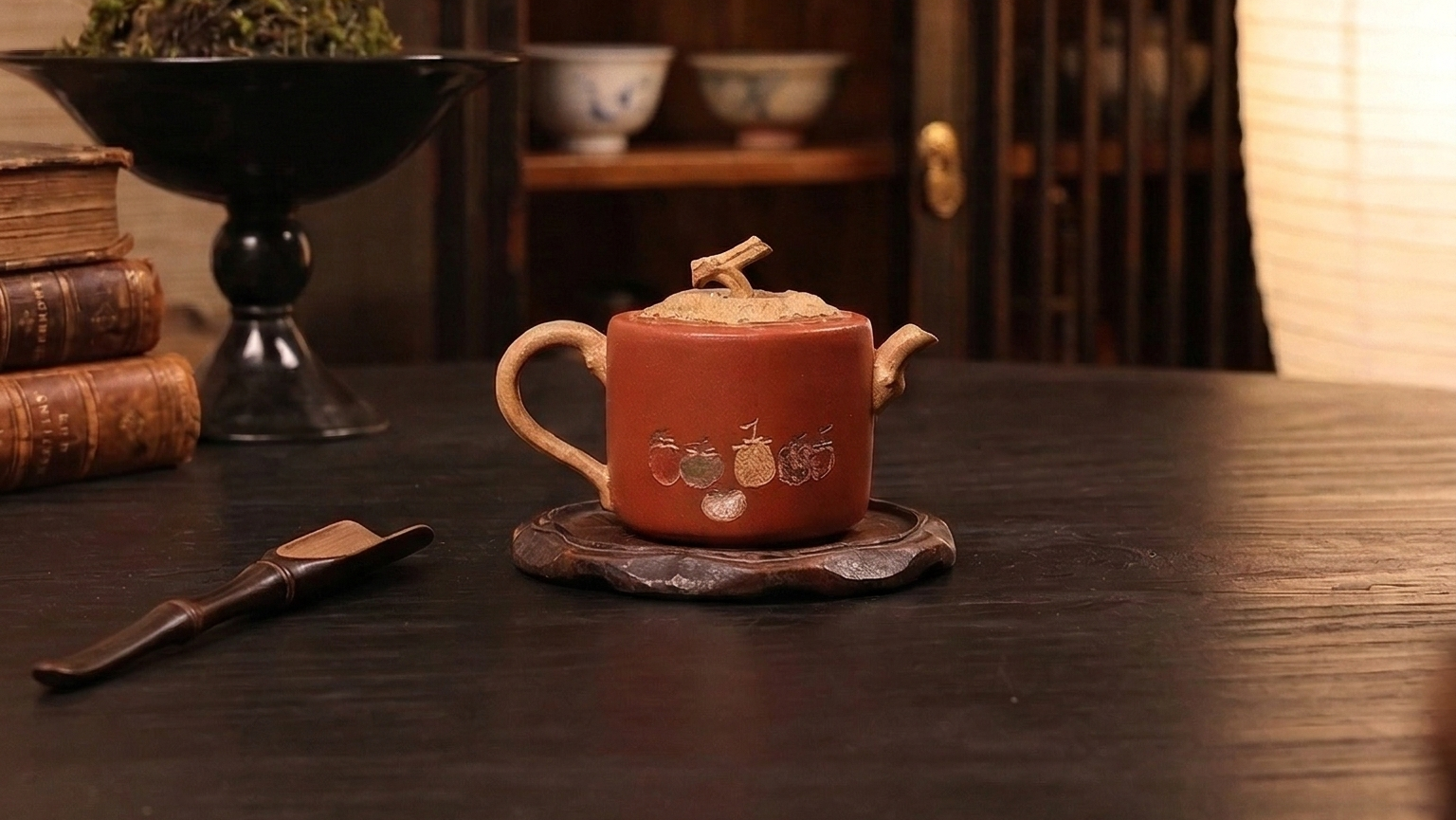
Beginning the extensive review regarding Eysing Tzu-sa clay vessels presents a fascinating fusion involving technique conjoined with efficiency.
Yihsing 紫砂 brewing containers contain a unique attraction within enthusiasts across the globe. Certain exceptional porcelain containers, coming from the exclusive Eysing district near Jiangsu region, China, feature more than just brewing tools; they are considered works design beauty and legacy significance. Unique finely selected clay, known referred to as Zisha, imparts a refined flavor within the tea, and the intricate designs, often revealing traditional Chinese themes, add to their essential value. Collecting a genuine Yixing Zisha teapot can be a worthwhile journey, calling for careful examination and an grasp of the manifold factors influencing its limited availability.
Exploring Yixing Tea Vessels
Yi-hsing ceramic containers boast a fascinating record deeply interwoven with Chinese traditions. Originating in Yixing, Jiangsu region, these pots are crafted from a unique, porous purple terracotta found only in that designated location. Their growth began during the Ming time, with master artisans refining the practices over ages. Various types prevail, including the classic Hexiang (resembling crab shells), Yixing Zisha Teapot Zhuni (red-brown hue), and Duan Ni (stone-studded) – each with distinctive aspects. The worth of an Yixing earthenware pot isn't solely based on its size or adornment, but also on the craftsman’s reputation, the substance's quality, and the vessel’s age and condition. Collectors often seek out older examples, believing they accumulate the taste of the tisane brewed within them over time, further adding to their desirability.- Heritage Clay Pots
- Chestnut Clay Pots
- Rock-Decorated Clay Pots
Zisha Teapot Mastery: Craftsmanship & Approaches
The manufacture of Zisha teapots represents a height of Chinese ceramic craft. Proficient artisans employ time-honored techniques, often passed down through offspring, to unlock the full character of this unique clay. Systems involve meticulous shaping by hand, often combined with the wrapping method, followed by precise kilning at incredibly elevated temperatures in wood-fired kilns. Detailing is equally crucial; potters utilize native clay colors and may incorporate embossing work to depict intricate scenes or patterns, demonstrating a profound grasp of the material’s attributes and expressiveness. The finished teapot isn't merely a vessel for tea, but a testament to a substantial cultural custom.
A Earthenware: Distinct Guide to Ising Zi-sha
Delving into the world of Oriental teapots routinely kicks off with Yixing Zisha. These distinctive clay containers are constructed from a exclusive type of clay located only in the Yixing region of Jiangsu Province province. Recognized for its typical reddish-purple hue and extraordinary qualities, Zisha clay injects a nuanced flavor to the elixir and advances with age, becoming a cherished collectible. Acquiring Yixing Zisha clayware is more than just retaining a gorgeous object; it’s a tribute of tradition and craftsmanship.
Considering this Earthenware: Legitimacy & Advancement
Starting the environment of Yixing Zisha creations can be remarkably beneficial, but requires a keen eye. Genuine Nature is critical; numerous replicas are present, frequently convincingly produced. Acquiring knowledge about historical kiln methods, unique clay essences, and the emblems of esteemed creators is thoroughly important. Additionally, grasping the subtleties of the appreciation swing – influenced by conditions such as antique consequence and the appearance of the item – is paramount to beneficial purchasing.
- Analyzing firing record.
- Contacting consultants for validation.
- Understanding exchange patterns.
An Art of Concocting with a Earthen Kettle
Distinctive rare allure of a Zisha equipment lies not just in its beautiful appearance, but also in its distinguished impact on the savor of the beverage. These vintage clay earthen vessels, sourced from certain regions of China, possess a inherent porosity that lightly interacts with the fluid and leaves, imbuing the cup with a subtle character. Mastering the approach requires a patient approach, understanding how the earth responds to diverse thermodynamics and plant types, ultimately leading to a genuinely rewarding consuming ritual.
Sustaining One's Relic
Proper handling of your Yixing teapot is important to maintaining its endurance. These special teapots, crafted from uncommon Yixing clay, accrue a appearance over years that augments their value. Often rinse the interior with pure water, avoiding soap, and never use coarse scrubbing tools. Occasional gentle rubbing with a silky cloth can aid in eradicating marks. Allow your kettle to properly dry once each infusion
Decoding Terracotta: Elements This Ceramic Pots Illustrate Special
The noted appeal of Yixing teapots is sourced in the special properties of Earthenware clay, sourced solely near Yixing, that region. This noteworthy clay, designated as ferruginous earthenware , contains a unique combination of compounds that, with age, soak up the bouquet of the elixirs it holds. This creates a exclusive scent for each brewer, making it a importance far above its beginning price and supporting to their honored status among connoisseurs.
Discovering the Optimal Classic Clayware: A Stoneware Explanation
Venturing into the world of Purple clay teapots can feel overwhelming, but understanding the fundamentals is vital to finding a beloved piece. Those clay, sourced principally from the Yixing vicinity, the Jiangsu zone, is acclaimed for its characteristic porosity and ability to improve the flavor of the tea over time. Consider the outline, the saturation, and the presentation; a valid Zisha teapot is more than just a canister; it's a finely crafted object and a example of cultural culture. View the engraving of the designer for clues to its lineage and potential significance.