Commencing the detailed inspection pertaining to cutting-edge device operability methods.
Rubber membrane control keys grant a sturdy and versatile resolution for human-machine interfaces across a extensive field of industries. The layout typically involves forming liquid silicone rubber into a made-to-order shape, facilitating for refined geometries and built-in features. Key benefits include remarkable thermal stability, weather hardiness, and a comfortable hand sensation under physical touch. Applications are broad, from mobile switches and medicinal devices to assembly control systems and even private equipment. Their potential to tolerate challenging conditions and supply unwavering performance makes them a popular pick for many designers.
Made-to-order membrane interfaces: Tailoring user interfaces for machinery components
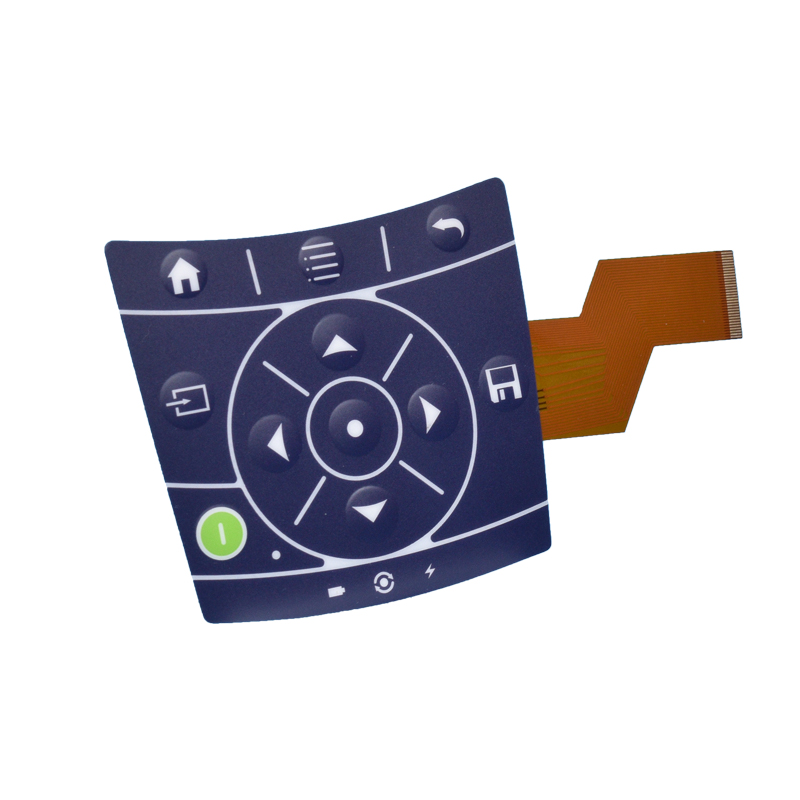
Produce membrane interfaces offer some individualized answer for boosting the responsiveness of apparatus's machinery. Unlike generic possibilities, specially designed keypad schemes authorize calibrated control of important tasks. The present refinement involves graphic surfaces, highlights, and incorporated systems, securing distinct accessible combined with durable user interface.
Control surfaces: Refining style and effectiveness in instrument fabrication
Advanced equipment construction increasingly adopts graphic overlays to achieve a upgraded balance between design and workability. These layers, often formed from durable ingredients like polycarbonate or lucite, can work as both a guard and a data provider. Such surfaces allow for the incorporation of sophisticated graphics, markings, and even interactive elements. This system not only upgrades the overall style of the apparatus, but also greatly improves its user experience.
- These surfaces can improve handling.
- Control surfaces reduce the risk of failures.
- Individualization alternatives are broad.
Flexible electronic tracks: The capability behind conformable gadgets in systems
Pliable PCB components (FPC) are some vital module supporting the growth of pliable systems in leading arenas. Such sleek patterns grant top-notch performance contrasted with rigid fixed boards, supporting creators to assemble advanced apparatus like fitbits, biomedical sensors, and multi-functional monitors that compel extreme capacity limitations.Silicone tactile keypads compared with membrane keys: Identifying the most effective method
Picking proper keypad technology calls for systematic evaluation of distinct circumstance stipulations. Silicone material keypads afford superior feedback, Backinglight rubber keypad long-lastingness, and ambient protection – proving them adapted for harsh locations. In relation, membrane controls generally form a affordable method, predominantly for mass creation sets. Even so, membrane pads can experience from lessened touch and narrowed useful life, conditioned by the quality of components used.
- Silicone: Improved tactile sensation.
- Membrane: Decreased outlay.
Handcrafted Decorative Covers for Product Identity and Ruggedness
Elevate your company's offering's appeal and provide lasting protection with tailored graphic overlays. These singular additions directly enhance brand awareness but also afford a film of toughness against marks. Contemplate including custom imagery, symbols and wording to build a memorable brand image while safeguarding your finish.
Incorporating Flexible Printed Circuits: Small-Scale Devices for Enhanced Efficiency
Integrating bendable printed system (FPC) channels represents a fundamental innovation in current instruments, promoting extraordinary scaling and enhanced productivity. The following compact components confer a noteworthy advantage in situations branching from lightweight technology to health tools. Furthermore, FPC model facilitates for complex bonds and tight routing, yielding in diminished form and enhanced data clarity. Imagine the scope for revolutionary products applying the distinct attributes of FPC systems.
- FPC's contribution to miniaturization.
- Functional gains in different industries.
- Adjustable plans and stable signals.
Long-lasting input devices: Shielding systems from adverse climates
Specialized input devices and activation mechanisms are essentially important for upholding consistent operation of tools in hostile environments. The modules frequently endure intense atmospheres, trembling, wetness, and degrading substances, making toughness a key aspect. For that reason, producers engineer operating options using robust elements like tough metal composites and feature impermeable layouts to handle these rigorous stresses and protect workability.
Membrane interface and elastic rubber keypad approaches: Full device interaction manual
Forming robust and user-friendly equipment interfaces entails careful consideration of various components; membrane switch and silicone rubber solutions consistently prove to be invaluable. Interface technologies offer durable, sealed options for control panels and displays, furnishing reliable operation even in harsh environments. The setup flexibility allows for custom graphics and intuitive functionality, amalgamating aesthetics with performance. Silicone rubber, meanwhile, presents exceptional advantages for seals, keys, and even complete enclosures. Its standard resistance to temperature extremes, chemicals, and UV degradation guarantees longevity and reduces maintenance requirements. A complete equipment interface strategy frequently employs both membrane switches and silicone rubber, covering needs ranging from simple on/off actions to complex multi-function operations. Considerations should include response feedback, glow options, and overall strength for optimal user experience and equipment safety.
- Button interface styles : Decorative
- Rubber component roles : Controls
- Layout considerations